UNICEFExperience design that motivates kids to stay active.
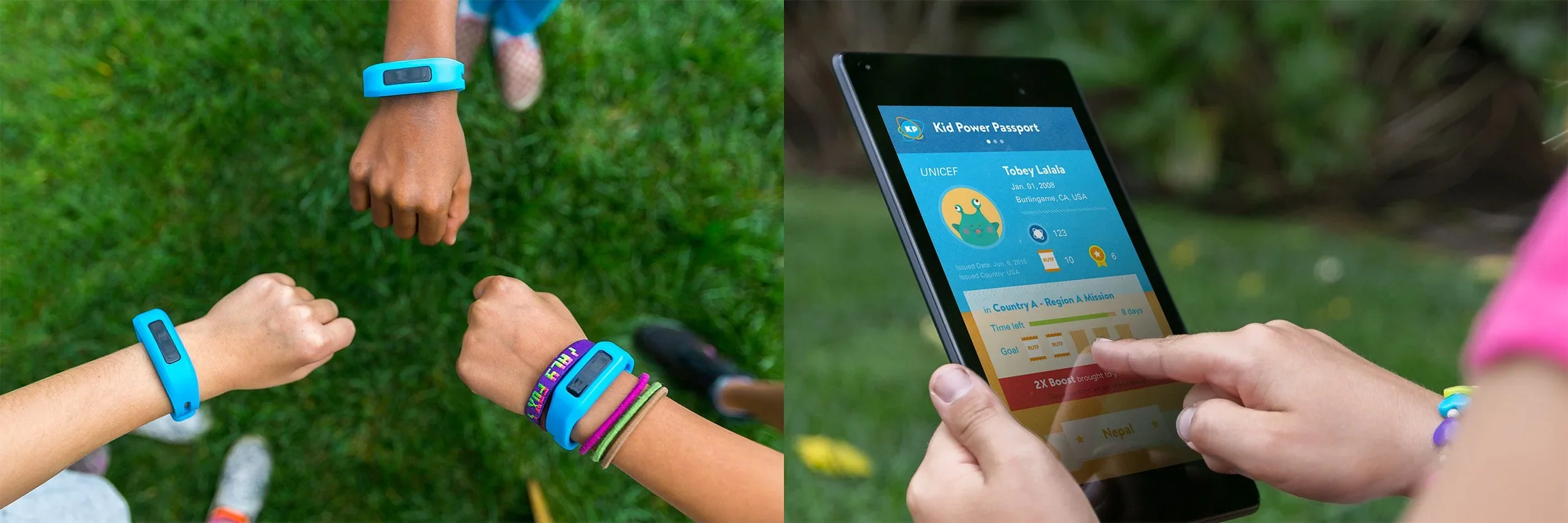
Like many wearables, the Kid Power band tracks steps. Unlike many wearables, this one translates steps into a real donation of food for a malnourished child. I worked with UNICEF USA to design an app which helped kids get active while learning about global citizenship. The program launched nationally at Target and hundreds of thousands of kids, educators, and parents unlocked over 10 million packets of therapeutic food, reaching 52,000 malnourished children worldwide.
Challenge: In the U.S., one in four kids is sedentary. Globally, one in four kids is malnourished. HMW design an experience that leverages a child’s desire to do good while help get active in the process?
Scope: 0-1, UX design, UI design
Role: Design lead
Users: Kids (ages 7-13) in the United States and their parents
-
Kid Power is a wearable band and partner that translates your physical activity into a real donation of food for a malnourished child. Our goal was to create an experience that inspired sustained behavior change in sedentary kids.
Severe malnutrition requires urgent medical treatment. One of the treatments is to feed malnourished kids and babies Ready to Use Therapeutic Food (RUTF). With the Kid Power program, physical activity by kids in the United States “unlocks” therapeutic food packets delivered by UNICEF to kids in Sub Saharan Africa and South Asia.
The primary goal was to design an experience that motivated kids to increase their physical activity
We started with two hypotheses:
Kids are actively seeking reinforcement of their belonging and significance in their family and in the world.
Parents continually seek ways to fulfill the need above in the form of wholesome, enjoyable activities.
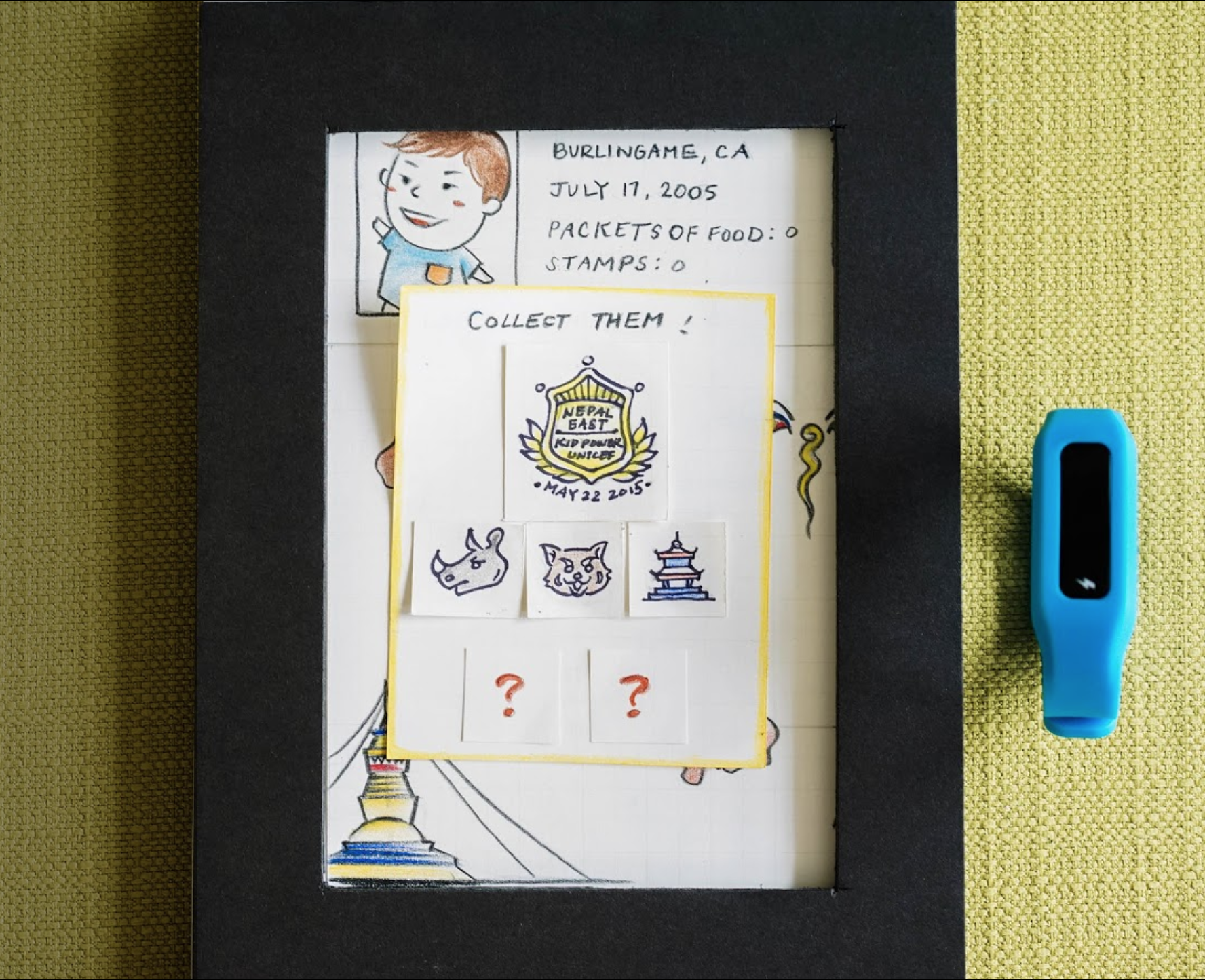
Using these hypotheses as a starting point we quickly prototyped the experience and tested concepts with stakeholders, kids, and parents.
Storyboards, visualizations, user flow diagrams, and many shared Google docs were our tools for this phase.
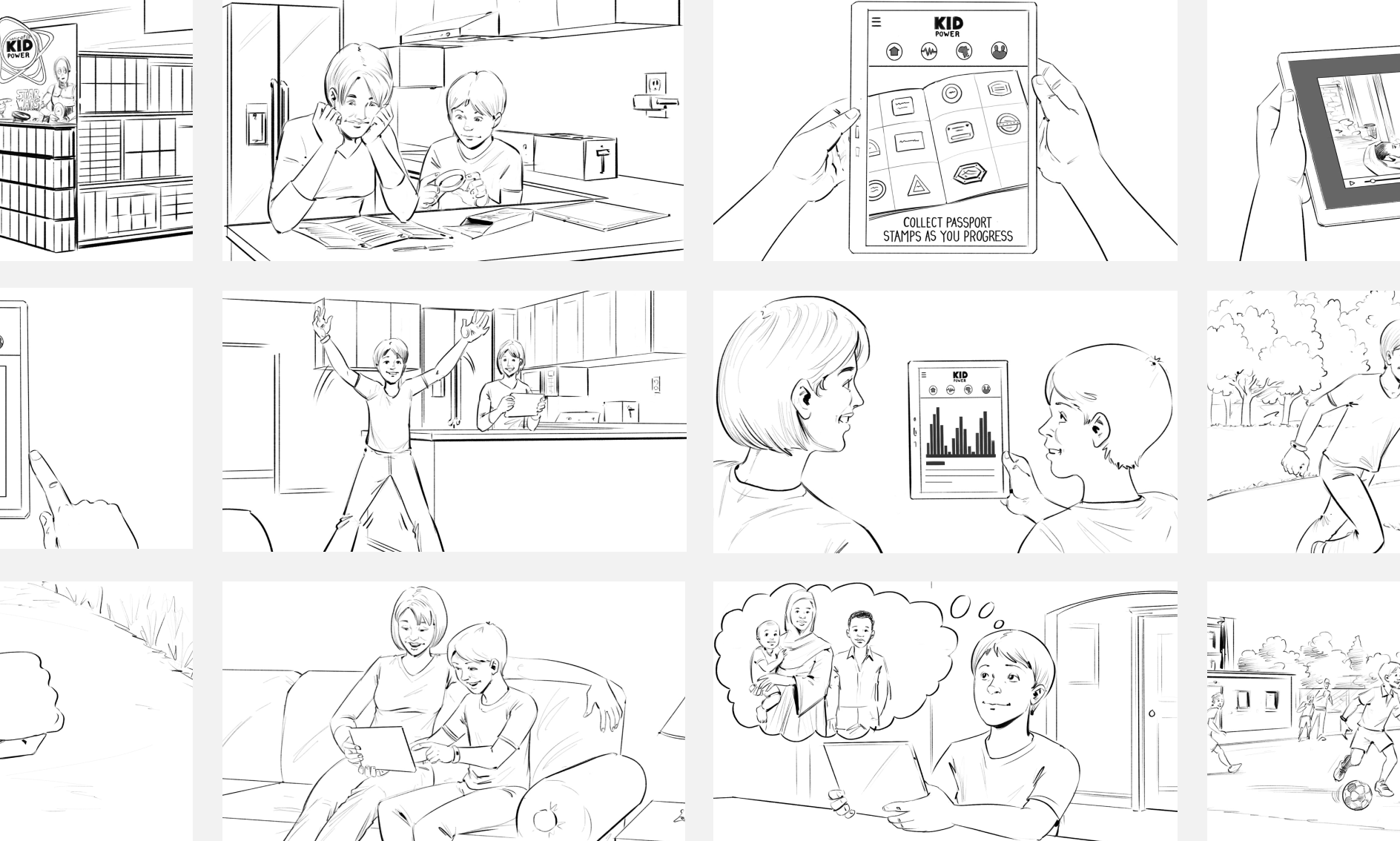
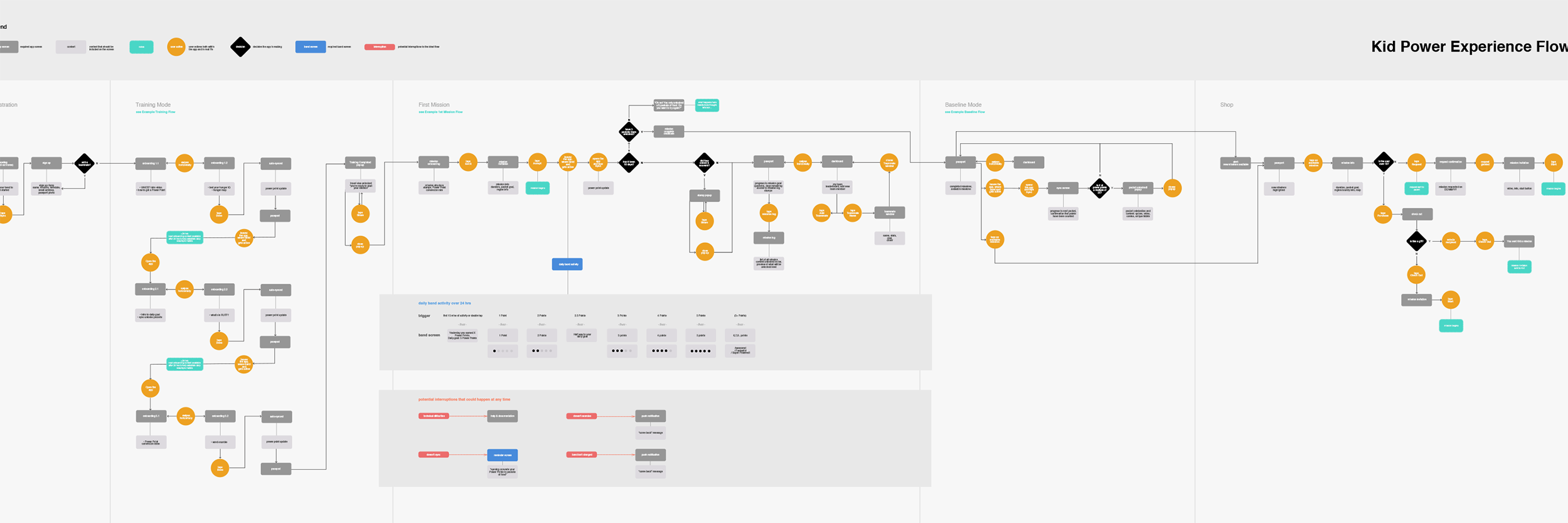
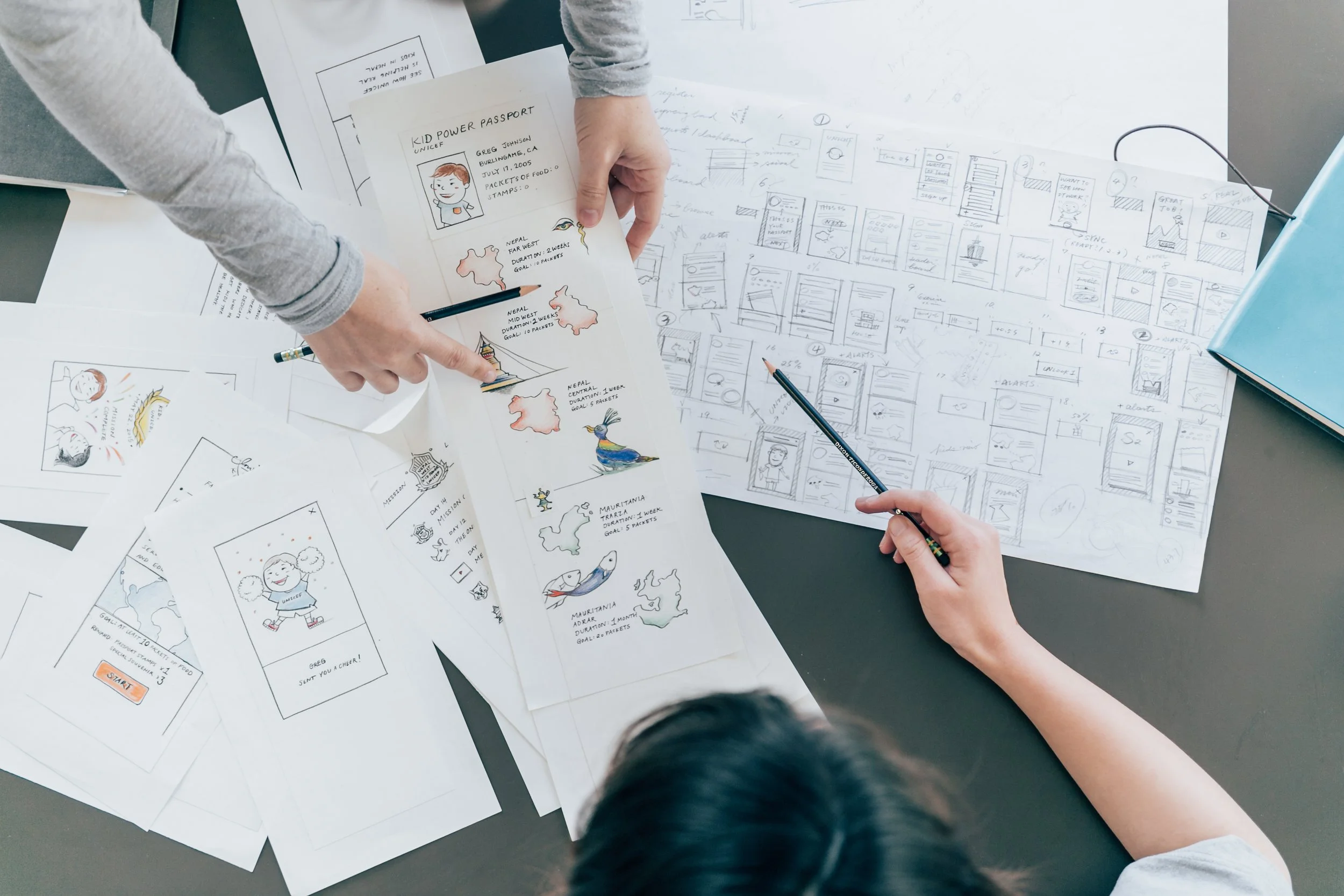
Prototyping to understand what matters to kids and what motivates them
When we tested prototypes with kids, we heard that making real life impact would be the biggest motivator for getting active. Transparency about the rules of the game and proof that their impact was real were also important for both kids and parents.
Based on learnings from research, we streamlined the experience to put more emphasis on the connection between physical activity and food packets. We focused the content on stories of real individuals helped by UNICEF.
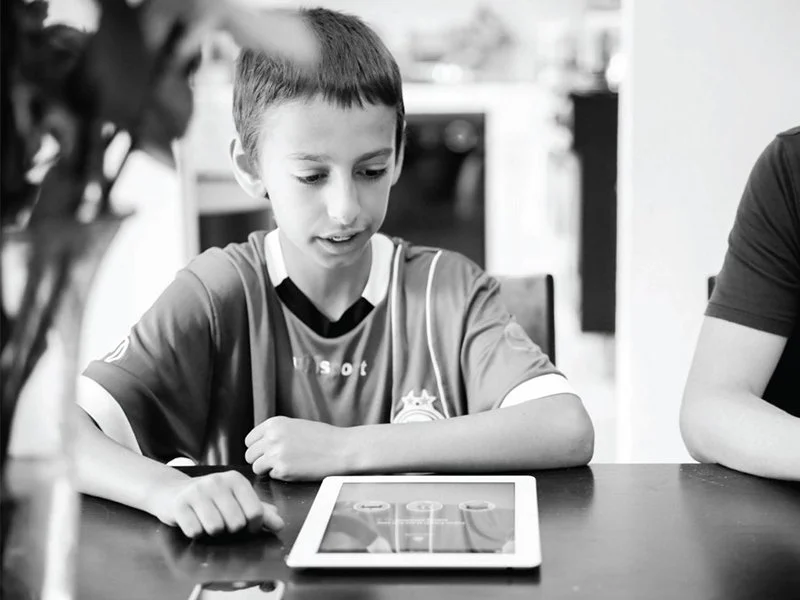
I want to see how many people I helped. I want to know when an actual packet of food goes to that country.
— Darius, 9
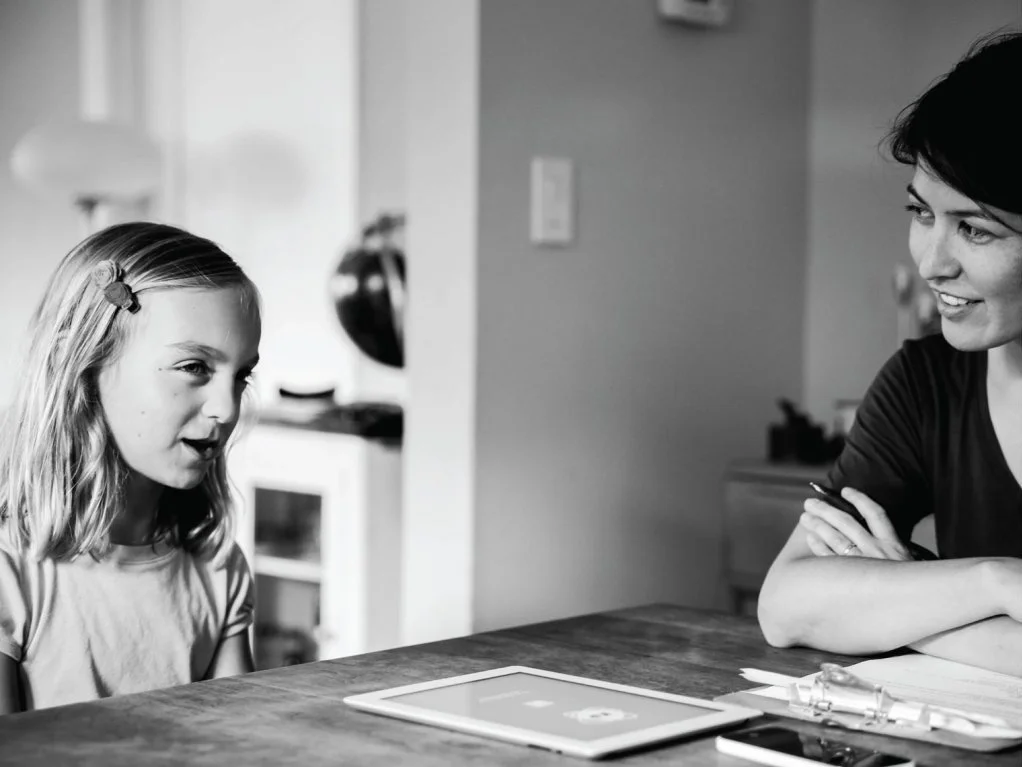
Badges are cool, but they don’t really help anyone. I would rather earn more food for other kids.
— Anna, 10
A Digital Passport
Once we had confidence in our overall experience, we focussed on the navigation, structure, and design details. Another round of prototyping and testing helped us see that we were making too many assumptions about “common” icons and interactions for kids to be able to easily navigate the product. Our original gesture based navigation changed to tap based with a simple navigation bar always visible.
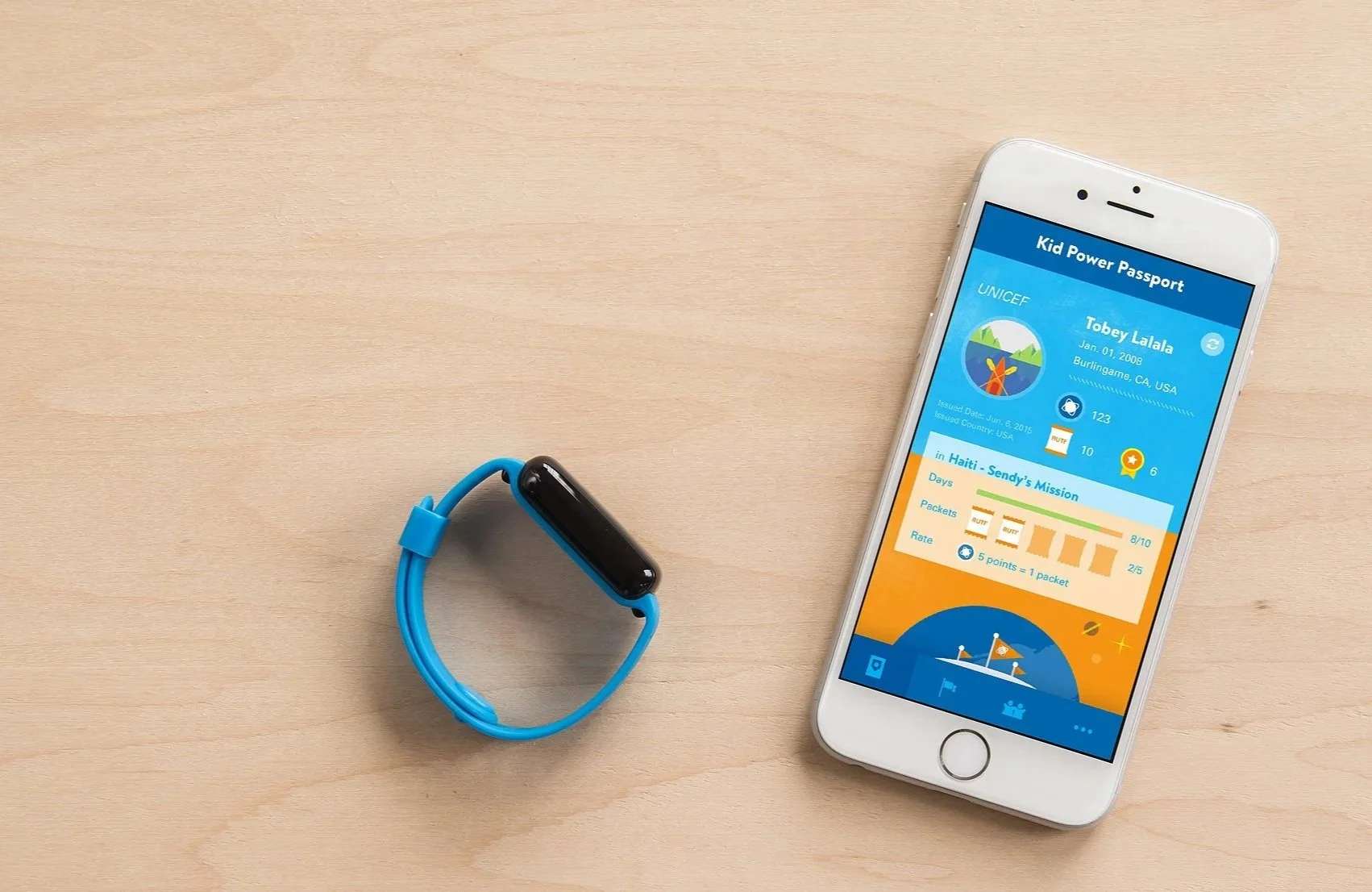
Anchoring on kids' appetite for exploration and UNICEF’s global impact, we designed the app as a digital passport. The visual design and UI evokes a sense of adventure, exploration, and travel.
Results
As of today, more than 10 million packets of food have been unlocked through the Kid Power program.
Voted one of the 25 best inventions of 2016 by Time Magazine.
Named a World-Changing Idea by Fast Company in the Education category.
The Daylight team’s contribution to the Kid Power Family experience has set us up for incredible success.
– Caryl Stern, President and CEO, U.S. Fund for UNICEF
Daylight’s deep understanding of motivation and behavior has been an invaluable asset throughout the development process. Their work on the UNICEF Kid Power App has yielded a uniquely engaging experience that combines discovery and impact and resonates with both kids and parents.
– Rajesh Anandan, SVP, UNICEF Ventures